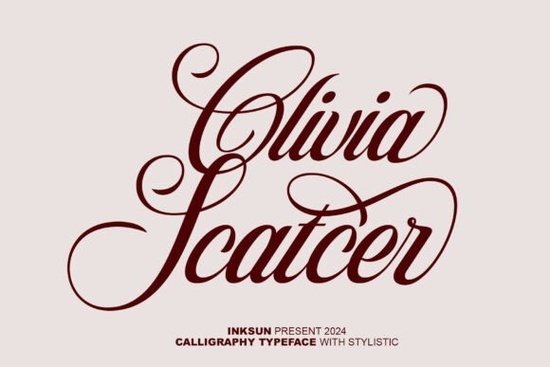
Finding the right typography for luxury projects can be tricky. You need something that feels personal but still professional. The Olivia Scatcer Font offers a solution for designers looking to add a touch of class without sacrificing readability. It bridges the gap between handwritten notes and formal branding. When you work with clients who want their business to feel established and high-end, this typeface provides the artisanal quality they expect. It is not just about picking a pretty script; it is about choosing a tool that communicates value instantly.
What makes this script suitable for luxury branding?
The core strength of this typeface lies in its elegant contrast between thick and thin strokes. This variation mimics the pressure of a real calligraphy pen, which adds a human touch to digital designs. For boutique shops or upscale service providers, this detail matters. It suggests care and precision. If you are comparing options, you might look at other soft scripts like the Peach Club Font script fonts collection, but Olivia stands out for its refined balance. It avoids being too playful, keeping the focus on sophistication. This makes it ideal for logos where clarity is key even at smaller sizes.
Branding is not just about the logo. It extends to packaging, business cards, and social media graphics. Using a consistent typeface across these touchpoints builds recognition. When a customer sees the same elegant header on your box and your website, it reinforces trust. You want your audience to feel they are buying into an experience, not just a product. This font helps create that cohesive narrative without requiring complex design skills.
Where should you use this typeface for events?
Wedding invitations are perhaps the most common use case for calligraphy fonts. Couples want their stationery to reflect the tone of their big day. For formal events, this typeface provides the necessary gravity and grace. You can explore more options in the Wedding Day Font script fonts category, but Olivia works particularly well for upscale ceremonies. It pairs beautifully with high-quality paper stocks and foil printing techniques. The sharp edges of the letters catch the light, adding a physical dimension to the print.
Beyond invitations, consider place cards, menus, and thank you notes. These small details often get overlooked, but they contribute to the overall guest experience. A handwritten feel makes guests feel valued. If you are designing for a romantic theme, you might also consider pairing it with something sweeter like the I Heart You Font script fonts for specific accents, keeping Olivia for the main headers. This layering creates visual interest without cluttering the design.
How do you handle seasonal variations?
Versatility is important for any font library. While this typeface is rooted in romance, it can adapt to seasonal campaigns. For holiday cards, the elegant strokes can mimic ribbon or garland details. You can contrast it with brighter, more festive typefaces like those found in the Christmas Lights Font script fonts selection. Using Olivia for the family name and a playful font for the message creates a nice hierarchy. It keeps the design grounded while still celebrating the season.
Small businesses often need to pivot their marketing throughout the year. Having a primary brand font that works in December as well as June saves time and money. You do not need to redesign your entire identity for every holiday. Instead, you adjust the supporting elements. This consistency helps customers recognize your brand even when the colors or imagery change. It is a practical approach to maintaining a professional image.
What are the best pairing options?
Script fonts should rarely stand alone. They need a partner to handle body text and smaller details. A clean sans-serif is usually the best choice. It provides a neutral background that lets the calligraphy shine. If you want something with a bit more character, you might look at the Outside Font script fonts for contrasting styles. The goal is readability. If the pairing is too busy, the message gets lost. Keep the secondary font simple and legible.
For reference on how this style fits into broader typography trends, you can review the Olivia Scatcer Font style category. Understanding where your typeface sits helps you make better design decisions. It ensures you are not mixing eras or styles that clash. Good pairing is about harmony, not just contrast. Test your combinations at different sizes to ensure they work on mobile screens as well as print.
Design Checklist for Using Script Fonts
- Check legibility: Ensure the thick and thin strokes are visible at small sizes.
- Limit usage: Use script for headers and accents, not long paragraphs.
- Test pairings: Try at least three different sans-serif fonts before deciding.
- Consider print: Verify how the font looks on physical paper, not just screens.
- Review licensing: Confirm commercial rights before using for client projects.
Start by downloading the file and installing it on your system. Open your design software and type out your primary headline. Adjust the tracking and leading until the letters breathe properly. Scripts often need more space between lines than standard fonts. Once you are happy with the layout, export a proof and view it on a different device. This final check catches issues you might miss on your main monitor. Taking these small steps ensures your final product looks polished and professional.
Get Started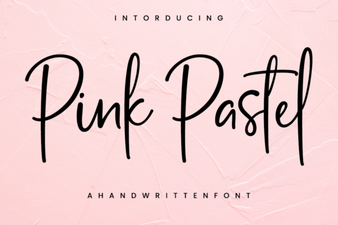 Pink Pastel Font Designs for Creative Projects
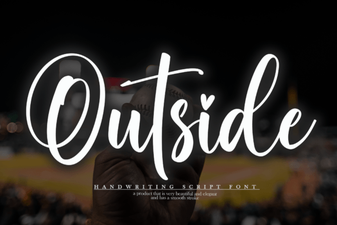 Outside Fonts for Creative Design Projects
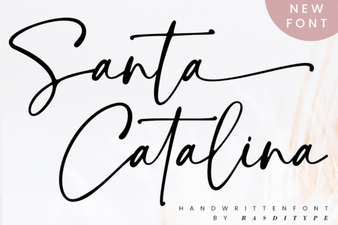 Santa Catalina Font for Logo & Packaging Design
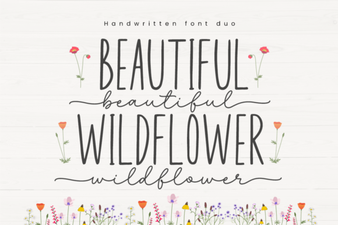 Beautiful Wildflower Duo Font Styles & Project Ideas
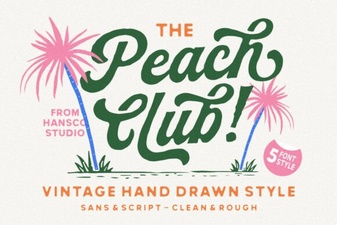 Craft Your Project with Peach Club Font
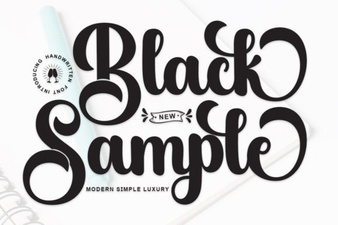 Free Black Sample Fonts for Your Design Projects