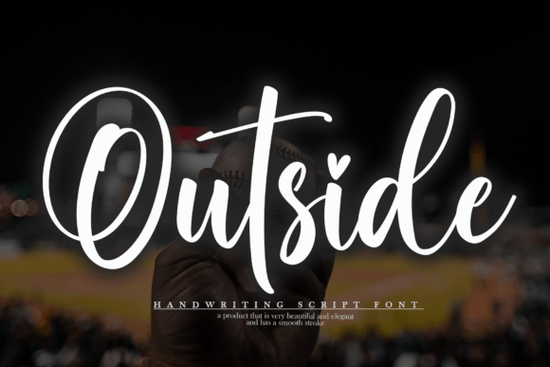
Finding the right handwritten typeface can be tricky when you want something that feels personal but still reads clearly. You need a style that connects with your audience without looking messy. The Outside Font fits this need by offering a cute and casual vibe that works well for many creative tasks. Whether you are making posts for Instagram or working on DIY projects, this tool helps turn simple ideas into art without requiring advanced design skills.
Many crafters and small business owners look for typography that feels friendly. This specific script brings a relaxed energy to your work. It is not too formal, which makes it perfect for brands that want to appear approachable. When you use it on product labels or social media graphics, it adds a human touch that standard computer fonts often lack. You can use it for quotes, invitations, or even packaging designs where you want to convey warmth.
What makes this typeface work for social media?
Social media platforms rely heavily on visual appeal to stop users from scrolling. A handwritten style can make your text stand out against photos and backgrounds. This font works particularly well for lifestyle bloggers or shops selling handmade goods. It pairs nicely with clean sans-serif bodies to keep things readable while maintaining personality.
If you enjoy experimenting with different looks, you might also explore a playful lettering style for variety. Having a few options in your toolkit allows you to match the mood of each post. For example, a bright summer sale might need something different than a cozy winter announcement. The key is consistency. Pick a primary font for your brand and use alternatives only when the context fits.
When designing for Instagram stories or Pinterest pins, keep your text large enough to read on mobile screens. Handwritten fonts can sometimes get lost if they are too small. Use bold colors or add a shadow effect to ensure your message pops. This approach helps your content remain accessible to everyone viewing your page.
How do you pair it with other styles?
Mixing fonts is an art form that takes practice. You generally want to combine a script with a simpler typeface to avoid visual clutter. Since this main font has a lot of character, keep your secondary text minimal. A clean geometric sans-serif often works best to balance the curves of the handwriting.
For projects that need a softer touch, consider looking at a warm handwritten option to see how different weights interact. Sometimes you need something slightly thicker or thinner depending on the background image. If you are creating wedding invitations, you might prefer a floral-themed typography combination to match the decor.
Color choices also matter when pairing styles. Pastel backgrounds often work well with dark text, while white space allows colorful letters to shine. If you are designing for a baby shower or a spring collection, a soft color palette design can enhance the gentle feel of the script. Always test your combinations on different devices to ensure they look good everywhere.
What files do you get and how do you install them?
Most modern font downloads come in multiple formats to ensure compatibility with your software. You will typically receive OTF, TTF, or WOFF files. These work with popular programs like Adobe Photoshop, Illustrator, and Canva. Before you start designing, make sure to install the file on your computer so it appears in your font menu.
Installation is usually straightforward. On Windows, you can right-click the file and select install. Mac users can double-click the file and use the Font Book app. Once installed, restart your design software to see the new typeface. If you plan to use this for seasonal items, you might also want a seasonal project text style for holiday-specific campaigns.
Always check the license agreement before using any typography for commercial projects. Some files are for personal use only, while others allow you to sell physical end products. Understanding these terms protects your business from legal issues later. If you are unsure, refer to a license guide for clarification on what is permitted.
Quick Checklist for Using Handwritten Fonts
- Check Readability: Ensure your text is large enough to be read on small screens.
- Limit Variety: Use no more than two or three different fonts in one design.
- Test Contrasts: Make sure the text color stands out against the background.
- Verify Licensing: Confirm you have the right to use the font for commercial sales.
- Save Versions: Keep a copy of your design with editable text in case you need to make changes later.
Starting with a reliable typeface like this one simplifies your workflow. You spend less time worrying about how the text looks and more time focusing on your message. By following these tips and exploring complementary styles, you can create professional-looking designs that resonate with your audience. Keep experimenting with layouts and colors to find what works best for your specific niche.
Try It Free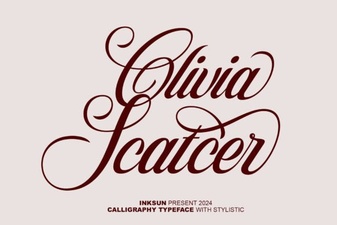 Olivia Scarcer Font: Creative Design & Project Ideas
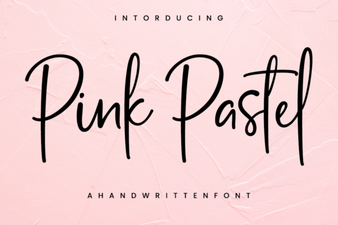 Pink Pastel Font Designs for Creative Projects
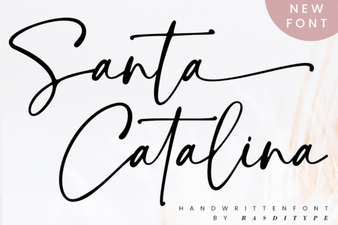 Santa Catalina Font for Logo & Packaging Design
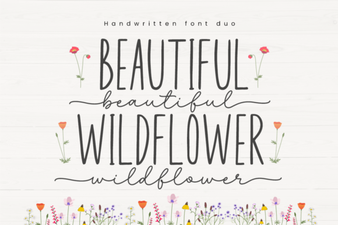 Beautiful Wildflower Duo Font Styles & Project Ideas
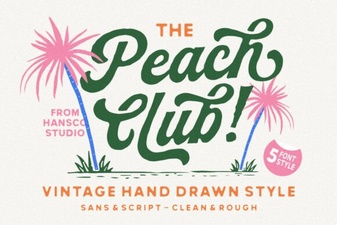 Craft Your Project with Peach Club Font
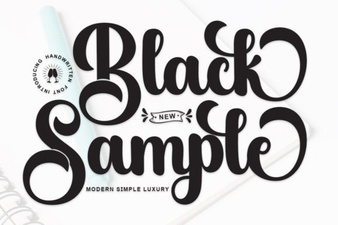 Free Black Sample Fonts for Your Design Projects