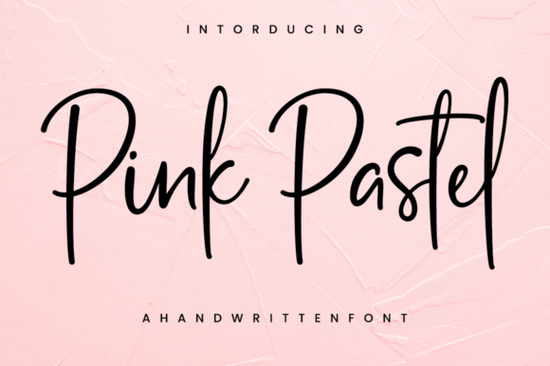
Choosing the right typography can change how people feel about your brand or project. If you want something soft and feminine, the Pink Pastel Font is a great option. It works well for designs that need a gentle touch without losing readability. This script typeface offers a refreshing look that fits nicely into wedding invitations, logos, and social media graphics. When you download it, you typically get files compatible with most design software, making it easy to start creating right away.
What projects suit this delicate script?
This type of font shines in contexts where elegance is key. Because of its delicate strokes, it pairs beautifully with high-quality paper stocks for physical prints. Digital creators also find it useful for watermarks or overlay text on photos. The curvature of the letters suggests movement and grace, which is why it is often chosen for beauty brands or boutique shops. If you are running a small business, consistency in your typography helps customers recognize your posts instantly.
You can view the project details to see specific character maps and language support. Some script fonts lack certain glyphs, so checking the full set ensures you can type names or words without missing letters. It is also smart to test how the font renders on different screens. What looks smooth on your desktop might appear slightly different on a mobile device. Always preview your design in multiple formats before finalizing.
How do you match it with other typefaces?
Pairing scripts requires balance. A heavy sans-serif often grounds a light script, preventing the design from looking too floaty. For example, if you use a bold header, this script works well as a subheader or accent. You might also consider Winter Snow if you need a cooler tone for seasonal projects. Mixing warm and cool scripts can create visual interest, but keep the mood consistent.
When combining fonts, limit yourself to two or three families. Too many styles create clutter. You can browse icy scripts to find counterparts that share similar stroke widths. Consistency in weight helps the eye move smoothly across the page. Also, pay attention to x-height. If the lowercase letters vary too much in size, the text block will look uneven. Aligning the baseline of your script with your secondary font creates a professional finish.
Where can you find more floral options?
Floral elements often accompany delicate scripts. If your project involves nature themes, look for typefaces that mimic organic growth. The Beautiful Wildflower Duo is one example that integrates swashes resembling vines. These decorative ends can replace bullet points or frame text boxes. However, use them sparingly. Overusing swashes makes the text hard to read, especially at smaller sizes.
For more inspiration, check out resources focused on floral typography. Seeing how other designers combine these elements can spark new ideas. You might notice trends like using all-caps for the sans-serif partner to contrast the lowercase script. This technique adds structure while keeping the romantic feel. Remember that white space is just as important as the letters themselves. Give your text room to breathe.
What about technical alignment?
Alignment tools in your software are essential for script fonts. Because the letters connect, standard left-align settings might not look perfect. You may need to adjust kerning manually to ensure the ligatures flow correctly. Resources on alignment tools can help you troubleshoot spacing issues. Proper tracking prevents letters from overlapping too much or drifting too far apart.
Exporting your final design also requires care. If you are sending files to a printer, outline your text. This converts the font into shapes, ensuring the printer sees exactly what you see. If you forget this step, the printer might substitute a different font if they don't have yours installed. Always double-check your file settings before sending them off for production.
Are there darker options available?
Sometimes a project needs more contrast. While pastel tones are soft, you might need a bolder look for headlines. The Black Sample Font offers a heavier weight that stands out against light backgrounds. Using a dark script for the main title and a lighter color for the body text creates a clear hierarchy. This guides the viewer's eye to the most important information first.
You can explore dark script options to find the right level of boldness. Contrast isn't just about color; it is about weight and size too. A large, heavy font paired with a small, light font creates dynamic tension. This makes your design feel active rather than static. Test different combinations to see what feels right for your specific audience.
Quick Checklist for Using Script Fonts
- Check Legibility: Ensure the script is readable at the size you intend to use.
- Outline Text: Convert fonts to shapes before sending to print to avoid substitution.
- Limit Pairings: Use no more than two or three font families per design.
- Test Contrast: Verify that text stands out clearly against the background color.
- Review Licensing: Confirm if the license covers commercial use for your specific project.
Start by downloading the file and installing it on your system. Open your design software and type a few test words. Adjust the leading and kerning until the flow feels natural. Once you are happy with the settings, save them as a style preset if your software allows. This saves time on future projects and keeps your brand look consistent.
Try It Free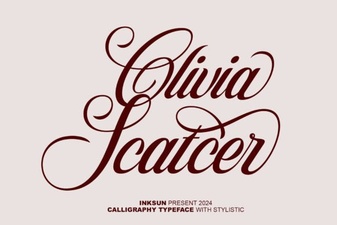 Olivia Scarcer Font: Creative Design & Project Ideas
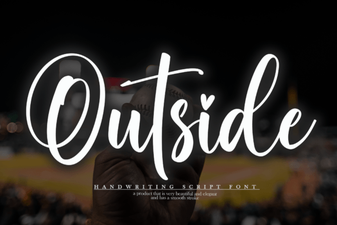 Outside Fonts for Creative Design Projects
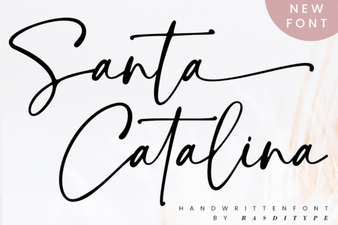 Santa Catalina Font for Logo & Packaging Design
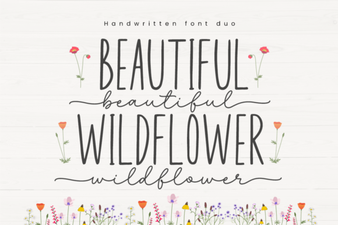 Beautiful Wildflower Duo Font Styles & Project Ideas
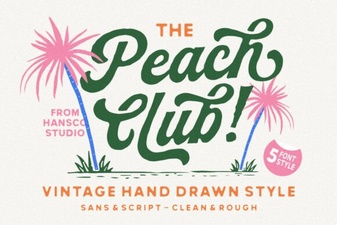 Craft Your Project with Peach Club Font
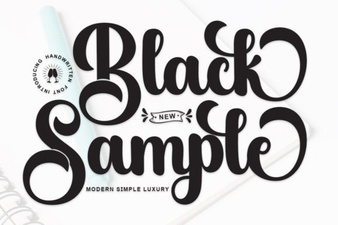 Free Black Sample Fonts for Your Design Projects