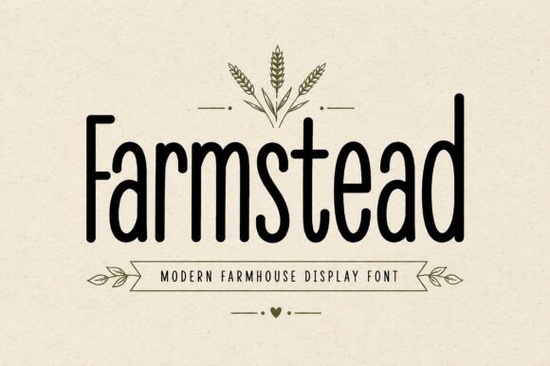
When you are working on a project that needs to feel warm, inviting, and authentic, choosing the right typography is essential. This is especially true for brands focused on organic products, home décor, or handmade goods. The Farmstead Font is designed specifically for these scenarios. It captures the essence of modern country living without looking outdated or overly distressed. Designers often struggle to find a display typeface that balances rustic charm with modern readability, and this option aims to solve that problem.
The core appeal of this typeface lies in its tall, clean letterforms. Unlike some rustic fonts that rely heavily on texture or grunge effects to convey age, this font uses shape and proportion to create a cozy feeling. The characters feel handcrafted but remain consistent enough for professional branding. This makes it a versatile tool for small business owners who need their logos to look polished on both a website and a physical product label.
What makes this font suitable for rustic branding?
Rustic branding often relies on evoking a sense of tradition and quality. When customers see a label on a jar of honey or a sign above a café counter, they want to feel a connection to the maker. The height of the letters in this font draws the eye upward, giving a sense of stability and presence. It works well for headlines where you need immediate impact.
However, not every project needs this specific aesthetic. If you are looking for something more playful or whimsical, you might explore playful hand-drawn scripts instead. Those styles are better suited for children's products or very casual events. In contrast, this farmhouse style maintains a level of seriousness that builds trust with customers looking for organic or artisanal items.
Readability is another critical factor. Many display fonts sacrifice clarity for style, making them hard to read at smaller sizes. This font avoids that trap. The spacing between characters is open, ensuring that text remains legible even when printed on curved surfaces like mugs or bottles. This is crucial for print-on-demand sellers who need their designs to look good on various merchandise without manual adjustment.
Where can you apply this typeface effectively?
The versatility of this font allows it to fit into several niches within the creative market. Here are some of the best use cases based on its structural features:
- Product Packaging: Ideal for labels on jam, honey, soap, or baked goods where a handmade vibe is a selling point.
- Home Décor: Perfect for wooden signs, wall art quotes, and kitchen prints that require a cozy atmosphere.
- Wedding Stationery: Works well for invitations and signage that aim for a barn wedding or rustic elegant theme.
- Social Media Graphics: The clean lines stand out well against textured backgrounds on platforms like Instagram or Pinterest.
For crafters using cutting machines, the clean paths make it easy to weed vinyl for stickers or decals. If you prefer more complex layering in your designs, you might compare it with stacked variations that offer more depth. However, for a straightforward application that works across digital and print media, simplicity often wins.
How does it compare to other display styles?
Understanding where this font fits in the broader landscape of typography helps you decide when to use it. It sits comfortably between casual and formal. It is not as rigid as a standard sans-serif, but it is not as loose as a handwriting script. If you need something that feels more energetic or fun, you might consider casual comic styles for a different effect. Those are better for humor or youth-oriented brands.
On the other end of the spectrum, some designers prefer fonts with heavy distressing to show wear and tear. If your brand identity relies on a rougher, industrial look, you could look at grunge options. However, those can sometimes reduce readability on small screens. The clean approach of this farmhouse font ensures your message is never lost due to excessive texture.
For those browsing specifically for this aesthetic, checking the rustic display category can help you find complementary typefaces. Pairing a clean display font with a simple sans-serif for body text is a common strategy that keeps designs balanced.
Technical features for designers
From a technical standpoint, this font includes both uppercase and lowercase letters, along with numbers and punctuation. This full character set allows for flexible typesetting. You are not limited to all-caps headlines, which gives you more control over hierarchy in your layouts. Multilingual support is also included, which is vital if you plan to sell products internationally or work with clients in different regions.
The file formats provided are standard for most design software, ensuring compatibility with tools like Adobe Illustrator, Photoshop, and Canva. This reduces the friction of getting started on a project. You can install it once and use it across multiple campaigns without worrying about licensing issues for personal or commercial projects, depending on the specific license you acquire.
Practical tips for implementation
To get the best results when using this typeface, consider the following checklist before finalizing your design:
- Check contrast: Ensure the font color stands out clearly against your background, especially if using textured paper or fabric.
- Test scalability: Resize the text to ensure it remains readable on both mobile screens and large prints.
- Pair wisely: Combine with a simple, neutral font for body text to let the display font shine.
- Verify licensing: Always confirm the commercial rights if you are using the design for products you intend to sell.
By focusing on these details, you can ensure that your final project looks professional and resonates with your target audience. The right font does more than just display words; it sets the tone for the entire brand experience.
Get Started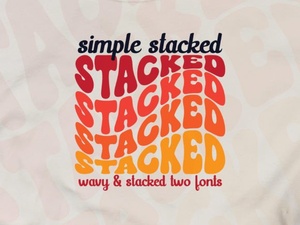 Design a Logo with a Simple Stacked Font
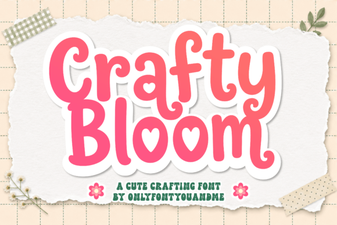 Crafty Bloom Font: Tips for Creative Typography Projects
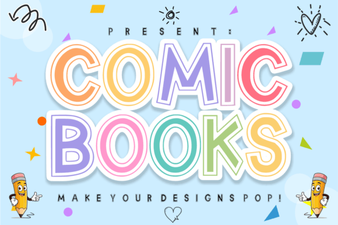 Font Styles for Creative Comic Book Projects
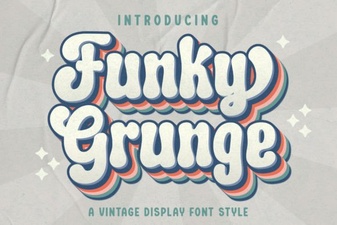 Funky Grunge Font Design & Download Guide
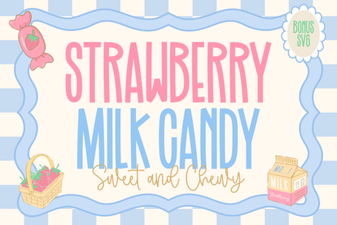 Font Designs for Sweet Strawberry Candy Projects
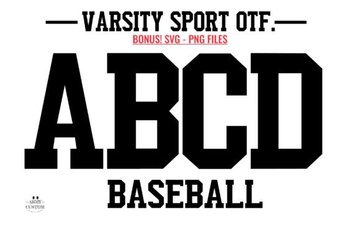 Varsity Army Fonts for Sports Branding Projects