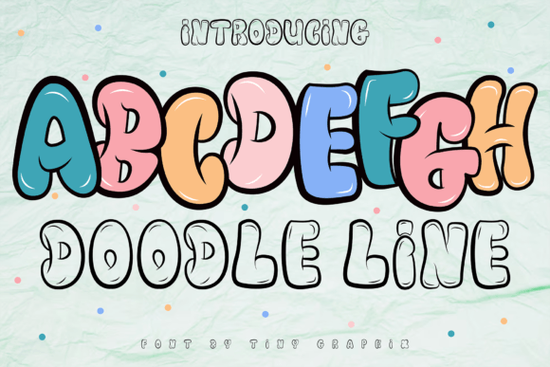
When you need typography that grabs attention immediately, standard serif or sans-serif options often fall flat. For projects requiring energy and movement, the Doodle Line Font offers a distinct solution. This typeface captures the raw essence of street art, utilizing bold, dynamic lines to create a sense of urgency and fun. It is not just about writing words; it is about making a visual statement that resonates with urban culture and modern aesthetics. Designers working on branding or personal projects often search for tools that break away from traditional norms, and this font fits that need perfectly.
The style mimics hand-drawn graffiti, giving it an authentic feel that pre-made vector shapes often lack. Each letter carries irregularities that suggest human creation rather than machine precision. This imperfection is what makes it appealing for audiences tired of polished, corporate looks. Whether you are creating a logo for a skate shop or a title screen for an indie game, the texture of the lines adds depth. You do not need to add extra effects to make it look interesting because the character is built into the glyphs themselves.
What projects fit this typography best?
Print-on-demand sellers will find this typeface particularly useful for apparel. T-shirts, hoodies, and tote bags benefit from large, readable text that stands out against fabric textures. The bold strokes ensure legibility even when printed in a single color. Beyond clothing, consider using it for sticker designs. Stickers often serve as small billboards for brands or artists, and a graffiti style communicates creativity instantly. You can pair the text with simple icons or shapes to create a cohesive layout that looks professional yet approachable.
Game developers working on 2D platforms or mobile apps can also utilize this style for user interfaces. Menu screens, level titles, and achievement badges gain personality when rendered in this font. It suggests action and excitement, which aligns well with gaming contexts. Additionally, small businesses looking to refresh their logos might find this a suitable choice if their brand identity revolves around youth culture, music, or art supplies. It helps establish a connection with a younger demographic that values authenticity over polish.
How do you match this with other typefaces?
Contrast is essential when working with display fonts. Since the main text is loud and irregular, your supporting text should be quiet and structured. A clean sans-serif works well for body copy or secondary information. This balance prevents the design from becoming too chaotic. If you are building a poster, keep the main headline in the graffiti style and use a simple font for dates, locations, or descriptions. This hierarchy guides the viewer's eye naturally through the content without overwhelming them.
Sometimes, you might want to explore different vibes within the same project. For instance, if you are designing a collection that includes various themes, you might need alternatives. If a client wants something softer, you could look at a playful brush style to maintain hand-drawn qualities without the edge. For sports-related merchandise, switching to a athletic lettering option might convey teamwork and strength better than graffiti. Understanding when to switch styles is part of effective design management.
Narrative projects often require specific tones. If you are illustrating a story, a comic book styling could complement the urban feel while adding dialogue clarity. For nostalgia-driven campaigns, perhaps targeting a younger audience with bright colors, a nostalgic colorful type might evoke the right emotions. Even sweet-themed products, like bakery logos, could benefit from comparing the urban look against a sweet candy theme to decide which direction fits the brand voice. Testing different options ensures you choose the right tool for the message.
What technical details matter most?
Before integrating any new font into your workflow, check the file formats provided. Most professional packages include OTF and TTF files, which work across Windows and Mac systems. Ensure you have the correct license for your intended use. Personal licenses usually cover hobby projects, but commercial work requires a different agreement. Always read the terms to avoid legal issues down the line. Installing the font correctly allows you to access all glyphs and kerning pairs, ensuring your text flows naturally without awkward spacing.
Testing the font at different sizes is also crucial. What looks good at 72 points might lose detail at 12 points. Print a sample sheet to see how the ink sits on paper if you are working on physical products. Digital screens render lines differently than printers, so check your work on multiple devices. Taking these small steps ensures the final output matches your vision.
Pre-Download Checklist
- Verify License: Confirm if your project requires personal or commercial rights.
- Check Formats: Ensure OTF or TTF files are included for compatibility.
- Test Legibility: Print or view the font at small sizes to check readability.
- Pair Carefully: Select a simple secondary font to balance the bold display text.
- Review Glyphs: Look for special characters or alternates that add variety to your design.
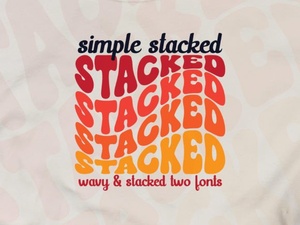 Design a Logo with a Simple Stacked Font
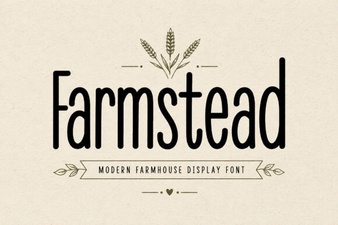 Farmstead Font: Crafting Rustic Digital Designs
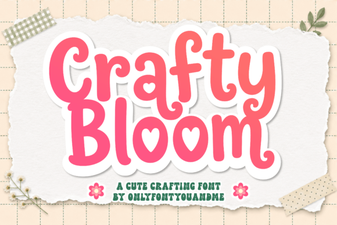 Crafty Bloom Font: Tips for Creative Typography Projects
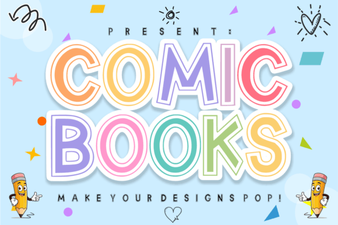 Font Styles for Creative Comic Book Projects
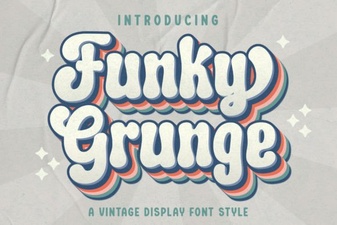 Funky Grunge Font Design & Download Guide
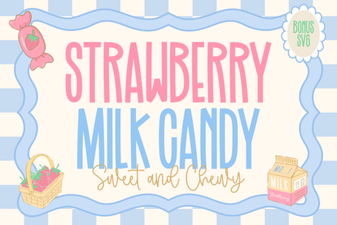 Font Designs for Sweet Strawberry Candy Projects