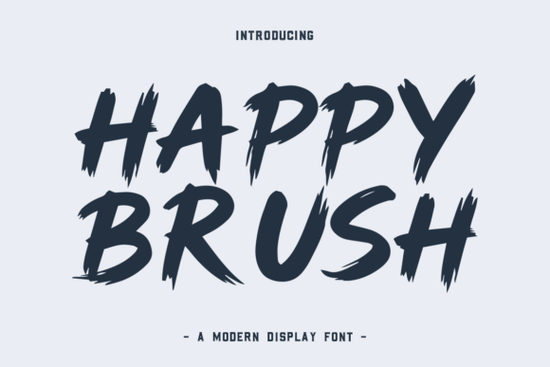
When you need a typeface that feels handcrafted and full of life, finding the right one can change the entire mood of your project. The Happy Brush Font is designed to bring that spontaneous, painted look to your digital work without requiring actual brush skills. It captures the warmth of natural lettering, making it a strong choice for creators who want their designs to feel personal and approachable.
This typeface works well because it balances casual energy with readable structure. Unlike stiff geometric fonts, the strokes here flow organically, mimicking the pressure and movement of a real brush. This texture adds depth to flat designs, helping your graphics stand out on social media feeds or printed materials. If you are building a brand identity that needs to feel friendly rather than corporate, this style offers an immediate connection with your audience.
What makes this typeface stand out from others?
The charm lies in the imperfect lines and varying stroke widths. These details prevent the text from looking too polished or machine-made. While some designers prefer rougher grunge alternatives for a distressed look, this font keeps things clean enough for professional use while retaining a hand-done vibe. It is particularly useful for projects that need to feel inviting, such as greeting cards, workshop flyers, or packaging for handmade goods.
Another key feature is the versatility in layout. You can use it for single-line headlines or stack words together for a compact logo. If you enjoy dynamic wavy stacked options, you will find that this brush style adapts well to curved arrangements without losing legibility. The organic shapes allow letters to nestle together naturally, creating a cohesive unit rather than just a string of characters.
Where does this font work best in real projects?
Print-on-demand sellers often look for typography that pops on t-shirts and mugs. The thick strokes of this brush font ensure visibility even when printed on textured fabrics. It pairs exceptionally well with matching doodle line graphics, allowing you to build complete illustrations around the text. For example, wrapping floral elements or simple icons around the words can enhance the handcrafted aesthetic.
Small business owners can also use this for social media quotes. Platforms like Instagram favor bold, readable text that stops the scroll. Because the letters have distinct personality, they require less additional decoration. However, if you need to add secondary information like dates or prices, consider pairing it with minimal stacked counterparts. This contrast ensures the main message grabs attention while the details remain clear and easy to read.
How do you ensure readability across different mediums?
While display fonts are meant for headlines, testing size is crucial. On mobile screens, ensure the stroke weight remains thick enough to be seen without zooming. For print, vector formats work best to maintain the crisp edges of the brush tips. You can explore more options by visiting browse this specific style category to see similar weights and variations that might suit your specific layout needs.
Color choice also impacts how the texture is perceived. Dark text on a light background usually offers the best contrast, but reversing this can work for dark-themed branding. Avoid busy backgrounds that might clash with the organic edges of the letters. If you want to learn more about typography trends, you can read about how Happy Brush Font fits into current design movements on industry blogs.
Quick Checklist for Using Brush Fonts
- Check Legibility: View your design at 100% zoom to ensure letters like "e" and "a" are clear.
- Pair Wisely: Combine with a simple sans-serif for body text to avoid visual clutter.
- Test Backgrounds: Ensure there is enough contrast between the brush strokes and the backdrop.
- Use White Space: Give the letters room to breathe so the organic shapes don't feel cramped.
- Export Correctly: Save as PNG for web use with transparency, or SVG for scalable print projects.
Choosing the right typography is about matching the tool to the message. When you want to convey joy and creativity, a lively brush script provides the perfect foundation. Start by sketching out your layout with this font in mind, and adjust the spacing until the rhythm feels natural. With the right application, your designs will feel less like templates and more like genuine expressions of your brand.
Explore Design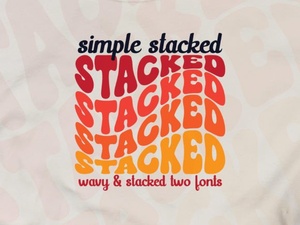 Design a Logo with a Simple Stacked Font
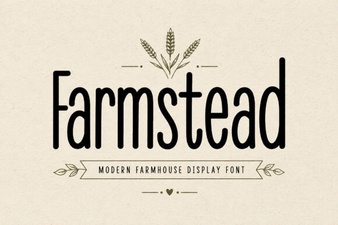 Farmstead Font: Crafting Rustic Digital Designs
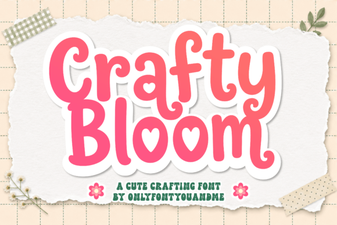 Crafty Bloom Font: Tips for Creative Typography Projects
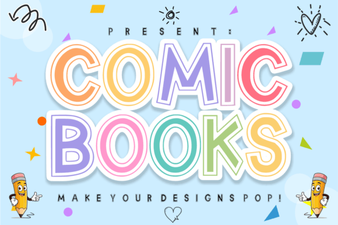 Font Styles for Creative Comic Book Projects
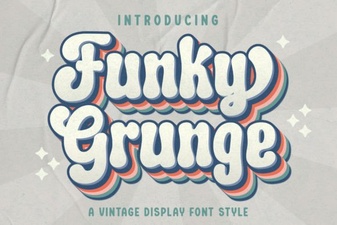 Funky Grunge Font Design & Download Guide
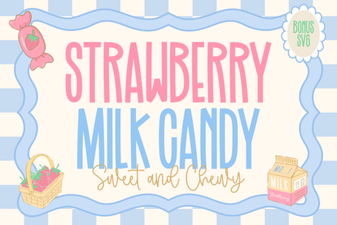 Font Designs for Sweet Strawberry Candy Projects