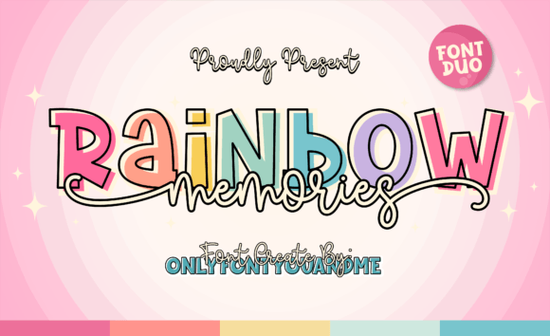
Finding the right typography for a personal project often feels like searching for a specific voice. You want something that speaks clearly but also carries emotion. For designers and crafters working on sentimental pieces, a standard typeface rarely captures the nuance needed. This is where a expressive script becomes essential. The Rainbow Memories Font offers a handwritten duo style that balances distinctive character with elegance. It is designed to help you tell a story through letters, making it a solid choice for projects that require a human touch.
When you look closely at the glyphs, you will notice flowing curves and smooth lines. These details prevent the text from looking rigid or mechanical. Each letter connects in a way that mimics natural handwriting, inviting viewers to immerse themselves in the art of expression. This level of detail matters when you are creating something meant to be kept, like a wedding invitation or a heartfelt letter. The sophistication added by these smooth strokes ensures the final design feels polished rather than rushed.
What kinds of projects suit this script style?
Because of its elegant nature, this typeface shines in scenarios where emotion is key. Wedding stationery is a primary use case. The flowing lines complement floral arrangements and soft color palettes often found in bridal design. Beyond invitations, you can use it for place cards, menus, or thank you notes. The readability remains high even when scaled down, which is crucial for small printed items.
Stickers and labels also benefit from this style. If you run a small business selling handmade soaps, candles, or journals, adding a handwritten label can increase perceived value. It suggests care and attention to detail. Similarly, digital planners and scrapbooking elements often require fonts that look organic. Using a script like this helps bridge the gap between digital creation and a tactile feel.
For those creating heartfelt letters or quotes for social media, the distinctive character of the font adds weight to the words. It turns a simple sentence into a visual statement. Whether you are designing for print-on-demand shirts or custom mugs, the charm of the letters helps the design stand out without being overly loud.
How do you pair this with other design elements?
While this script is strong on its own, pairing it with contrasting styles can create a balanced layout. If you are working on a rustic theme, you might consider combining it with rustic typefaces found in this collection. The roughness of a farm-style font contrasts nicely with the smooth curves of a handwritten script, creating visual interest without clutter.
For projects that need more depth, layered text effects can add dimension. You might explore layered text effects to create a background element that supports the main script. This works well for posters or headlines where you want the main message to pop while retaining a decorative background.
Sometimes, a design needs a playful touch to lighten the mood. Incorporating playful sketch styles alongside your main text can make the overall composition feel more approachable. This is particularly useful for children's products or casual branding where strict elegance isn't the goal.
If you want to create a bold statement, contrasting textures are effective. Pairing smooth script with edgy or textured looks can create a modern, urban aesthetic. This juxtaposition works well for music events or streetwear brands that want to mix sophistication with grit.
Finally, for wedding or spring-themed projects, floral elements are a natural match. You can integrate floral design elements to frame your text. The organic shapes of flowers complement the flowing lines of the script, creating a cohesive and romantic visual identity.
What should you check before installing?
Before you begin designing, ensure your software supports OpenType features if the font includes alternates. Most modern design tools handle these well, but it is worth checking the character map to see all available glyphs. Pay attention to kerning pairs as well. Handwritten fonts sometimes need manual adjustment to ensure the spacing looks natural between specific letter combinations.
Also, consider the medium you are designing for. If you are printing on textured paper, the smooth lines of the font will stand out clearly. However, if you are designing for low-resolution screens, ensure the stroke weight is thick enough to remain legible. Testing your design at actual size before finalizing saves time and prevents readability issues later.
Quick Design Checklist
- Check Legibility: View your design at 100% zoom to ensure small letters are readable.
- Contrast Test: Make sure the text color stands out clearly against the background.
- Pairing Limit: Try not to use more than two different font families in one layout.
- File Format: Export your final design in high-resolution PNG or PDF for print.
- Licensing: Always review the license terms to confirm commercial use is allowed for your specific project.
Taking these steps ensures your final product looks professional and communicates your message effectively. By choosing a typeface with strong character, you set a solid foundation for your creative work.
Download Now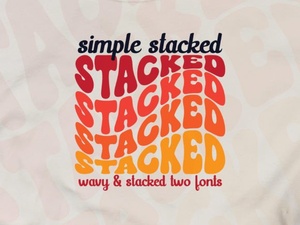 Design a Logo with a Simple Stacked Font
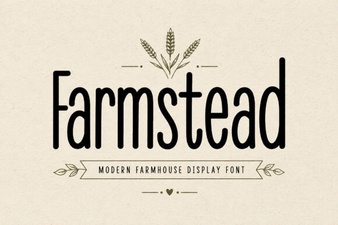 Farmstead Font: Crafting Rustic Digital Designs
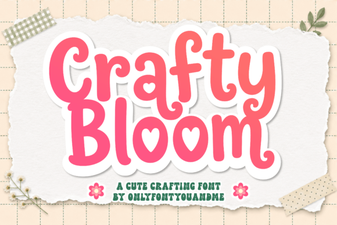 Crafty Bloom Font: Tips for Creative Typography Projects
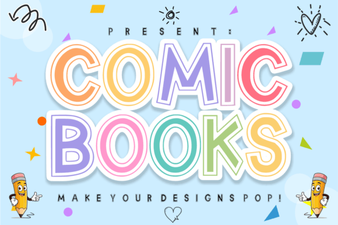 Font Styles for Creative Comic Book Projects
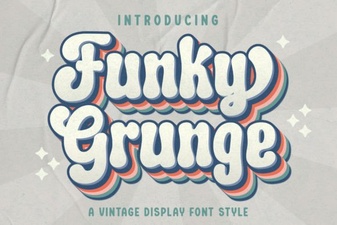 Funky Grunge Font Design & Download Guide
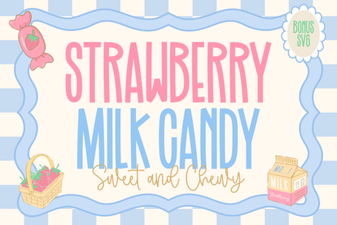 Font Designs for Sweet Strawberry Candy Projects